Get Central Heating Replacement
Central heating replacement services help property owners upgrade or install new heating systems to resolve issues like inefficiency, breakdowns, or outdated equipment.
If your property’s heating system is outdated or no longer performing efficiently, exploring options for central heating replacement can be a practical step toward improved comfort and energy efficiency. Property owners in the area might consider this work to ensure reliable warmth during colder months, reduce ongoing maintenance needs, or upgrade to a more modern, effective system. Whether planning a complete replacement or upgrading specific components, understanding available solutions and comparing local service providers can help make informed decisions.
Finding the right local contractors to handle central heating replacement involves evaluating various options to meet your specific needs. Many property owners take the opportunity to review different service providers, considering factors such as experience, reputation, and the range of services offered. Continuing to explore available choices can help ensure the project aligns with your property’s requirements and long-term goals.
- Central Heating System Replacement - needed when a current system is outdated or no longer functioning efficiently.
- Boiler Replacement - required if the existing boiler is broken, inefficient, or beyond repair.
- Radiator and Pipe Upgrades - necessary during a heating system overhaul to improve heat distribution.
- Complete Home Heating Overhaul - suitable when upgrading to a modern, more reliable central heating setup.
- Emergency Heating System Replacement - needed in urgent cases where the current system has failed or caused safety concerns.
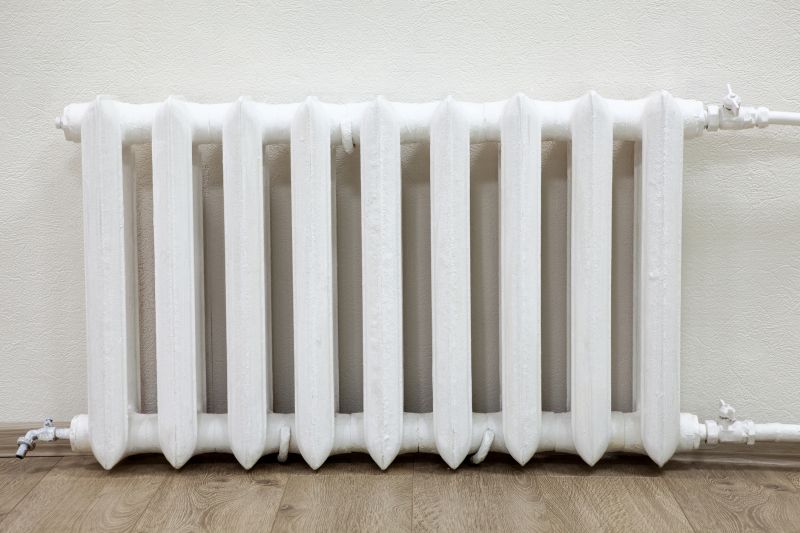
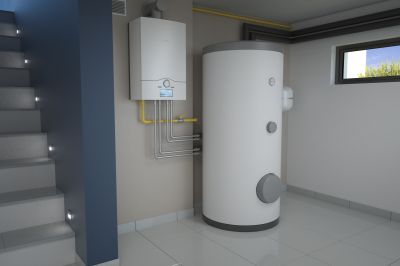
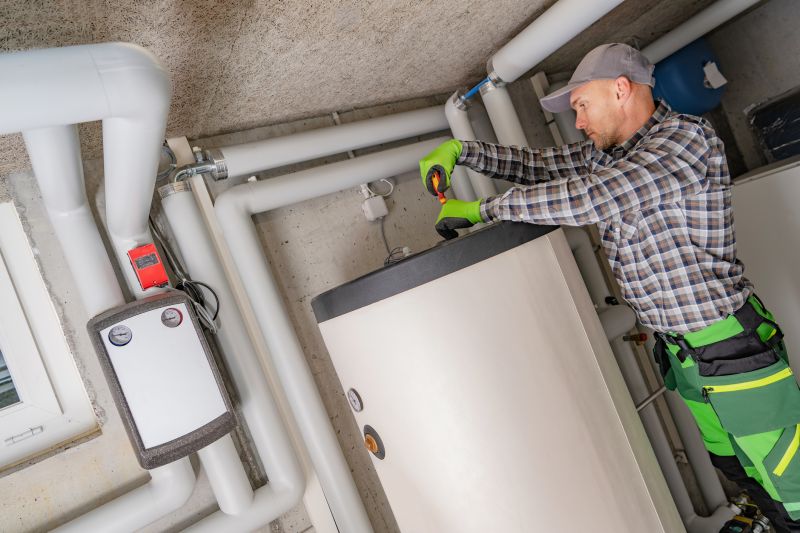
Central heating replacement services involve removing an outdated or malfunctioning heating system and installing a new, more efficient unit. This process typically includes assessing the existing setup, removing the old boiler or furnace, and fitting a new system tailored to the property's size and heating needs. Skilled service providers ensure that the installation is completed correctly, helping homeowners enjoy reliable warmth and improved energy efficiency throughout the colder months.
Replacing a central heating system can address a range of common problems, such as frequent breakdowns, uneven heating, rising energy bills, or outdated equipment that no longer meets modern standards. A new system can also reduce the risk of leaks, corrosion, or other issues caused by aging components. This upgrade can result in a more consistent indoor temperature, fewer repairs, and better overall comfort, making it a practical solution for homes experiencing persistent heating problems.
The types of properties that typically require central heating replacement include older houses with traditional radiator systems, modern homes with forced-air systems, and larger residences that demand robust heating solutions. Commercial buildings or multi-family dwellings may also benefit from upgrading their central heating infrastructure. Regardless of property size or style, local contractors can evaluate specific needs and recommend suitable systems to ensure efficient and effective heating performance.
Homeowners should consider central heating replacement when their current system is no longer reliable, shows signs of frequent failure, or has become significantly less efficient over time. Other indicators include rising energy costs, uneven heating throughout the property, or visible signs of wear and tear such as leaks or corrosion. Contacting experienced local service providers can help determine whether a replacement is the best option, ensuring the property stays warm and comfortable during colder seasons.
The overview below groups typical Central Heating Replacement projects into broad ranges so you can see how smaller, mid-sized, and larger jobs often compare in your area.
In many markets, a large share of routine jobs stays in the lower and middle ranges, while only a smaller percentage of projects moves into the highest bands when the work is more complex or site conditions are harder than average.
Smaller Repairs - minor heating system repairs typically cost between $250 and $600. Many routine fixes fall within this range, depending on the specific issue and parts needed. Fewer projects will push into higher or lower price tiers.
Partial Replacement - replacing a section of the central heating system usually ranges from $1,500 to $3,500. Local contractors often handle these projects within this band, though complexities can cause costs to vary.
Full System Replacement - a complete central heating system replacement generally costs between $4,000 and $8,000. Larger, more complex projects can reach $10,000 or more, but most fall within the middle of this range.
High-End or Complex Installations - extensive or custom heating upgrades can exceed $10,000, depending on the scope and equipment chosen. These projects are less common but represent the upper end of typical costs for comprehensive replacements.
Actual totals will depend on details like access to the work area, the scope of the project, and the materials selected, so use these as general starting points rather than exact figures.
Boiler Installation and Replacement - local contractors who specialize in heating systems can handle boiler upgrades that require similar planning and technical skills as central heating replacements.
Radiator Installation and Repair - professionals experienced in central heating systems are also skilled at installing and maintaining radiators, ensuring efficient heat distribution.
Pipework and Plumbing Services - expertise in plumbing and pipe installation is essential for central heating upgrades, making these services closely related.
Underfloor Heating System Installation - installing underfloor heating involves similar planning and knowledge of heating infrastructure as traditional central heating systems.
Thermostat and Control System Upgrades - upgrading or installing new thermostats requires familiarity with heating controls, aligning with central heating system enhancements.
Heating System Troubleshooting and Maintenance - diagnosing and fixing issues in existing heating setups shares skills with replacing and installing new central heating systems.
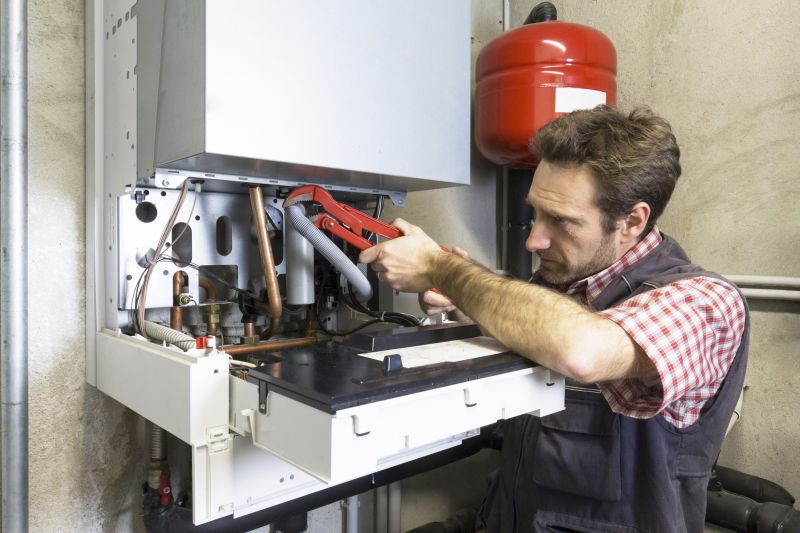
When comparing service providers for central heating replacement, it’s important to consider their experience with similar projects. Homeowners should look for local contractors who have a proven track record of handling heating system upgrades comparable to the scope of their own needs. An experienced professional is more likely to understand the nuances of different heating systems, troubleshoot potential issues effectively, and ensure the installation is completed correctly. Asking for information about past projects or seeking references can help gauge a contractor’s familiarity with projects of similar size and complexity.
Clear, written expectations are essential to a smooth process. Homeowners should seek out local pros who provide detailed estimates and scope of work that outline what will be done, the materials to be used, and any warranties or guarantees offered. Having this information in writing helps prevent misunderstandings and ensures everyone is on the same page from the start. It’s also beneficial to ask how the contractor plans to approach the project and what steps they will take to ensure quality and safety throughout the installation.
Good communication and reputable references are key indicators of a dependable service provider. Homeowners are encouraged to inquire about references from previous clients to confirm the contractor’s reliability and professionalism. Additionally, responsive and transparent communication during the inquiry process can reveal how well a contractor listens to questions and concerns, and how clearly they explain their services. Since the site connects homeowners with local options rather than performing the work itself, it’s important to evaluate these qualities when selecting a service provider who can deliver a positive experience and a successful central heating replacement.
Property owners use Central Heating Replacement services for practical projects around their homes and businesses. This guide focuses on everyday jobs and straightforward project options.
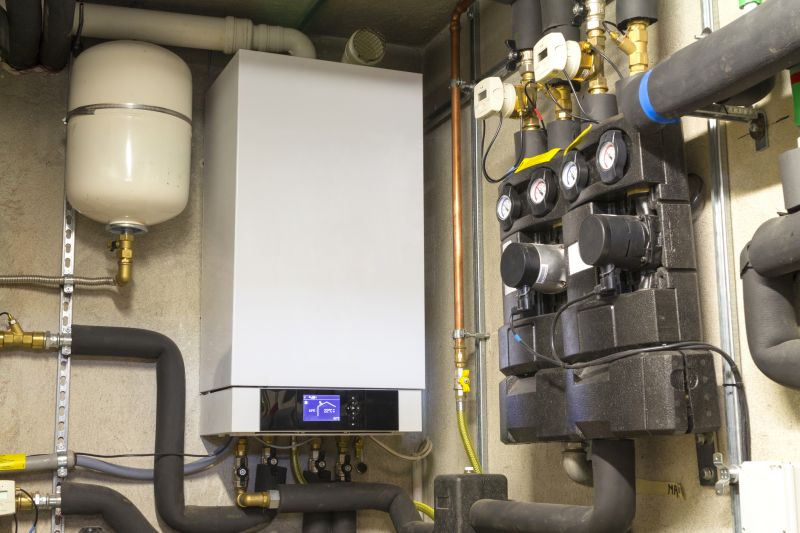
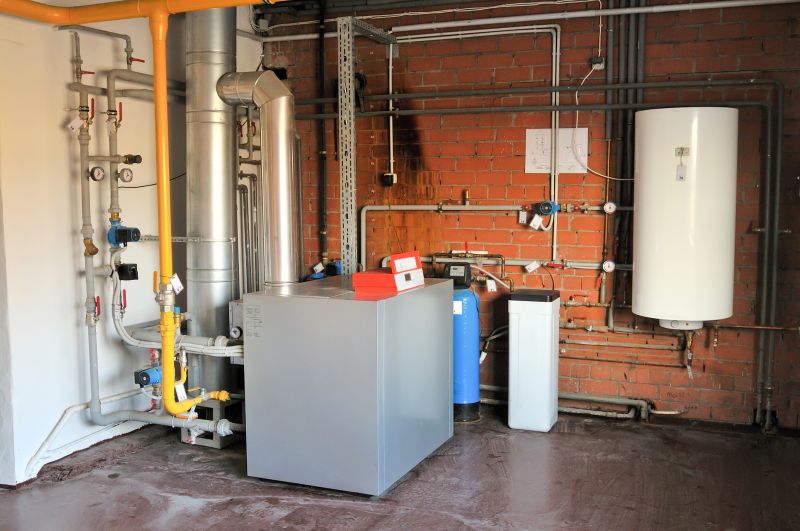
Central heating replacement is a common project for property owners experiencing issues with their current system, such as frequent breakdowns, uneven heating, or rising energy bills. Local contractors often handle these jobs when homes or businesses need a more reliable, efficient heating setup to ensure comfort during colder months. Whether upgrading an aging system or installing a new model, property owners can rely on nearby service providers to manage the work efficiently and professionally.
Many property owners seek central heating replacement services due to changes in household needs or the desire to improve energy efficiency. Older systems may no longer meet the demands of modern living, prompting residents to consider upgrading for better performance and cost savings. Local contractors are available to assess individual properties and recommend suitable solutions, helping owners make informed decisions about their heating systems.
What are signs that a central heating system needs replacing? Indicators include frequent breakdowns, inconsistent heating, rising energy bills, and unusual noises from the system.
How do I know if my current central heating system is outdated? An older system may be less efficient, have outdated components, or no longer meet the heating demands of the property.
What types of central heating systems are available for replacement? Local contractors can install various options such as traditional boilers, combi systems, or modern high-efficiency units tailored to specific needs.
Can a central heating replacement improve energy efficiency? Yes, upgrading to newer systems can enhance energy efficiency, potentially reducing overall energy consumption.
What should I consider when choosing a new central heating system? Factors include the size of the property, heating requirements, compatibility with existing infrastructure, and the efficiency ratings of available units.
Upgrade to a new central heating system - Property owners can improve comfort and efficiency by replacing outdated or malfunctioning boilers with modern central heating solutions provided by local contractors.
Improve energy efficiency in the home - Replacing an old heating system can help reduce energy consumption and lower utility bills, with local service providers offering eco-friendly options.
Prepare for seasonal temperature changes - Scheduling a heating replacement before colder months ensures reliable warmth and avoids unexpected breakdowns during winter.
Modernize heating controls and thermostats - Installing advanced thermostats and smart controls through local pros allows for better temperature management and convenience in daily routines.
If you are thinking about Central Heating Replacement for a property, this guide is meant to help you understand the work, the typical project types, and how different options might fit your plans.
When you are ready, you can use the quote form on this page to share a few details about your project. From there, local pros can review the basics and respond with options that match what you have in mind.